The question
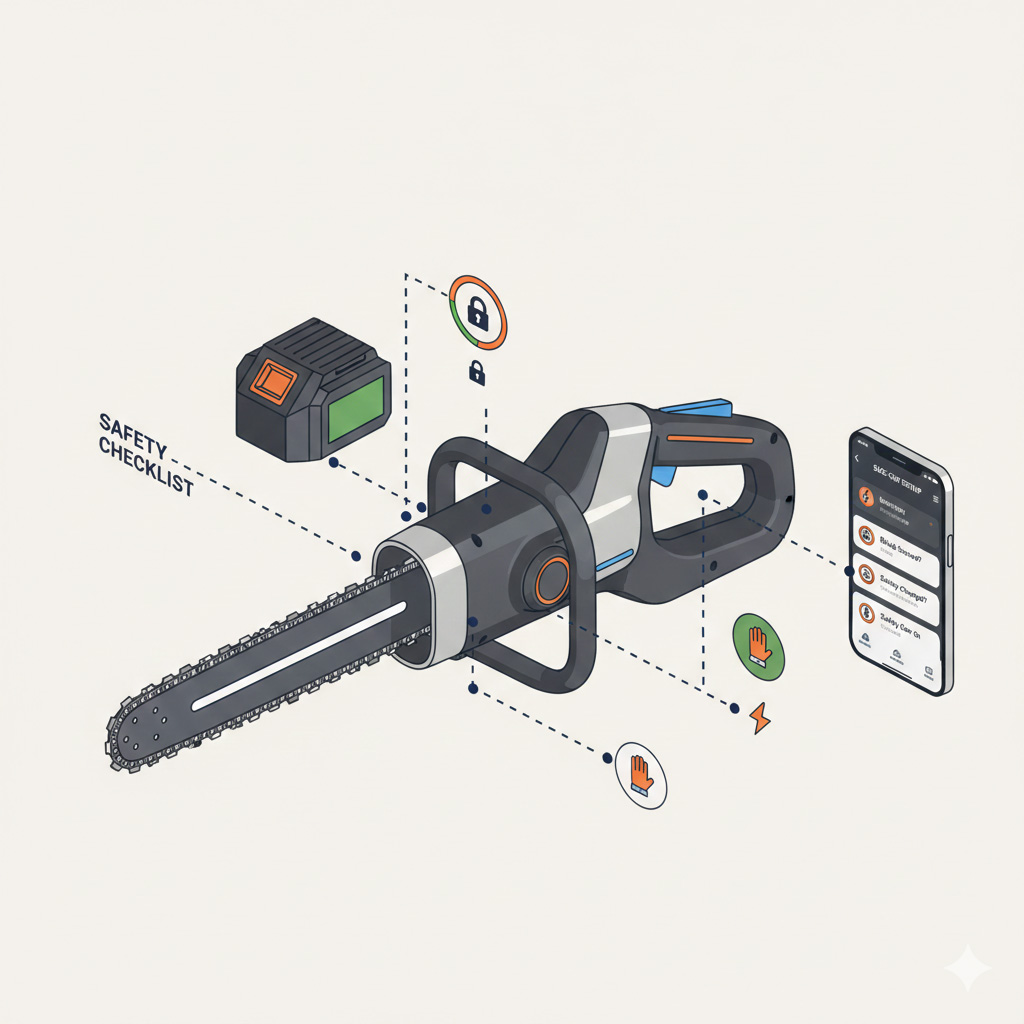
What makes an unfamiliar autonomous tool understandable on first use?
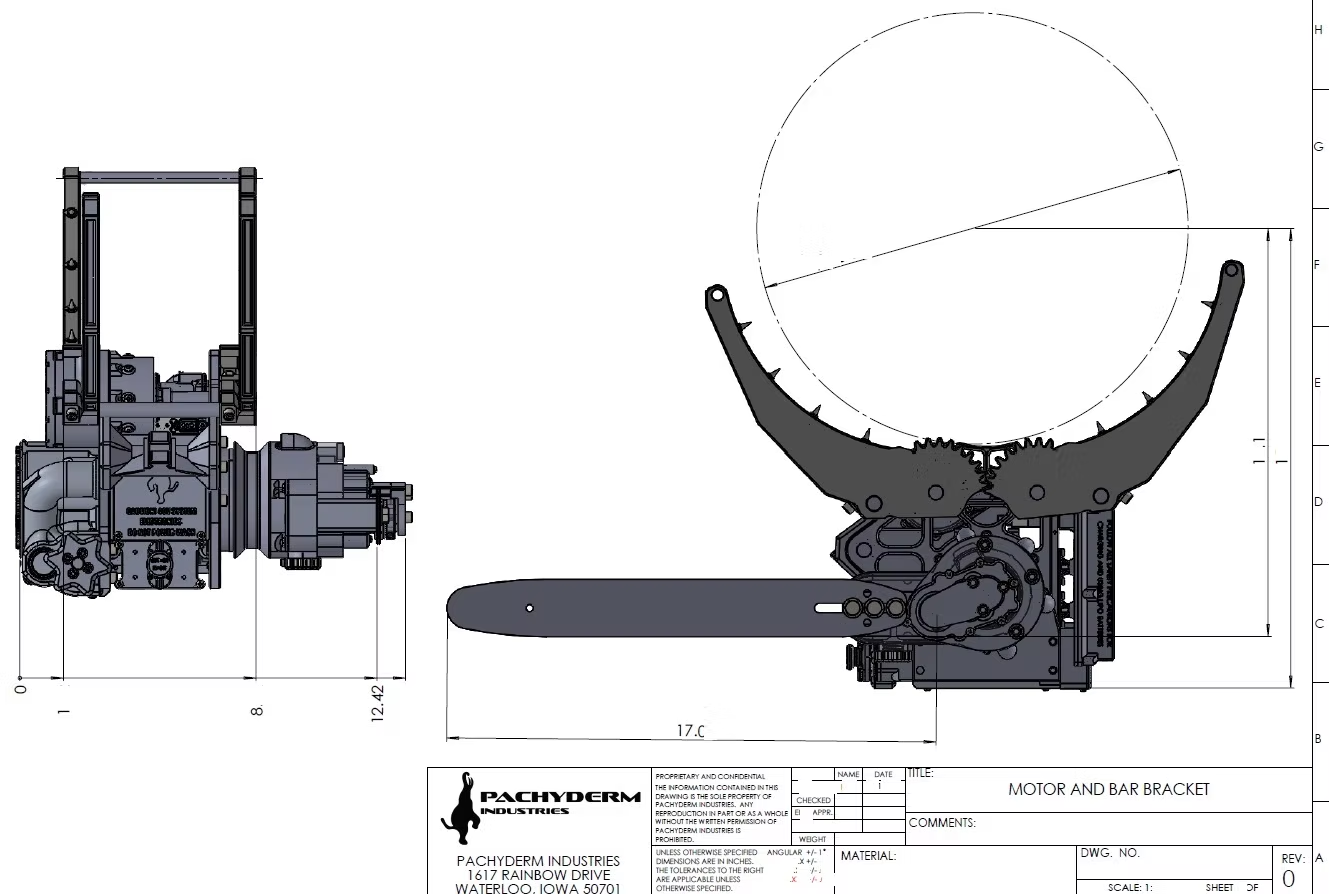
BranchSaw explored an autonomous electric tree-trimming solution. Research focused on how people understood setup, operation, and safety-related behavior. The goal was to connect product decisions to the realities of use, including differences between experienced professionals and residential users.
My approach
How I worked through it.
Study behavior in context
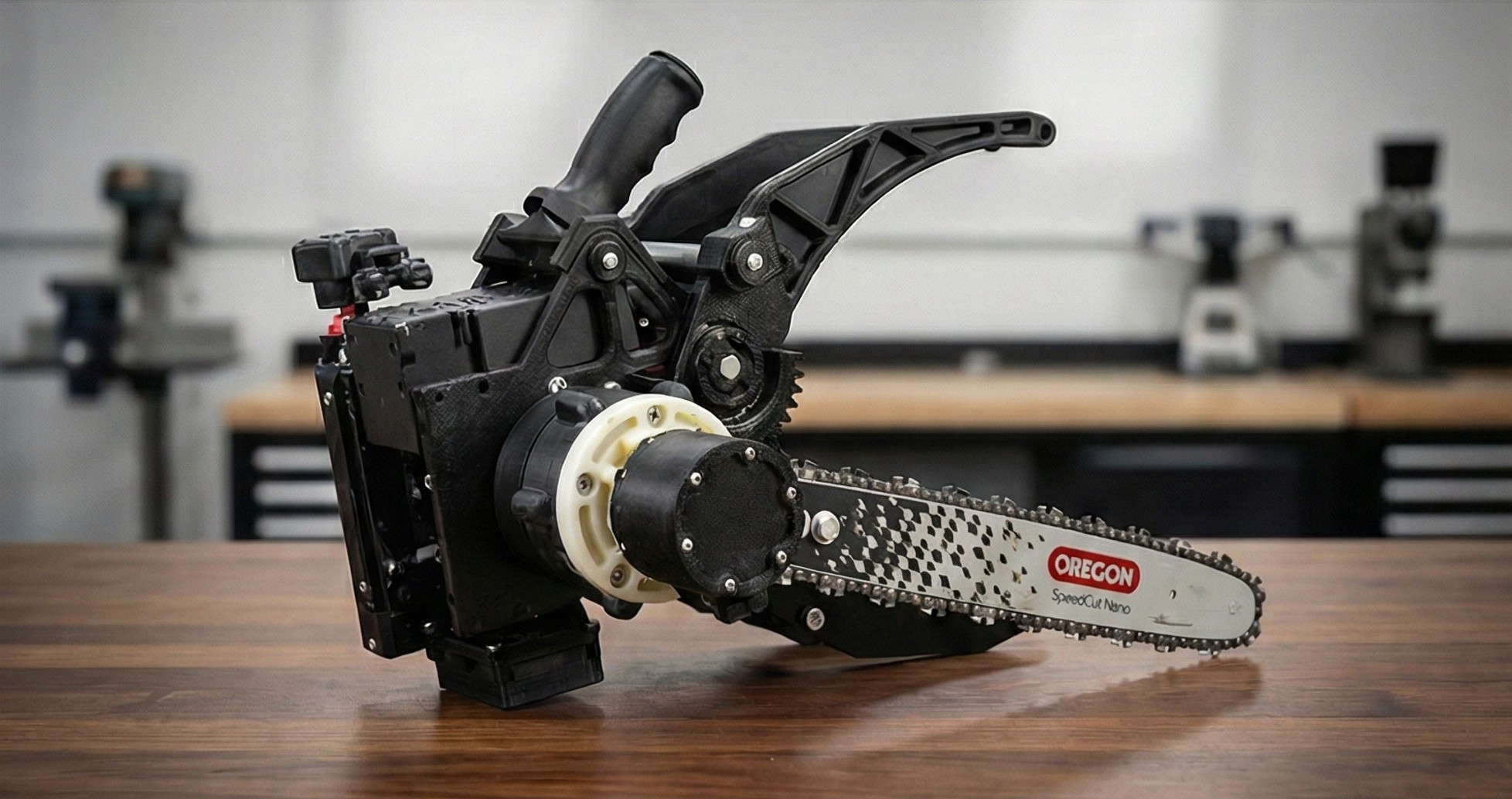
I used field observation and contextual inquiry to examine how people approached the product. Environmental conditions, physical interaction, and learned habits were important parts of the experience.
Learn from domain expertise
Interviews and ethnographic research explored how users assessed trust and learned safe operating practices. Expert input helped contextualize the observations.
Translate findings into design guidance
Usability evaluation informed recommendations for clearer onboarding, more visible interaction points, and supporting guidance. The research also surfaced questions for the future technology roadmap.
Evidence to decisions
What mattered. What it changed.
Learning was both cognitive and physical
Users had to understand the operating sequence while interacting with an unfamiliar device.
Design directionMake setup guidance sequential, visual, and closely tied to the task.
Existing habits shaped expectations
Experience with familiar tools influenced how participants interpreted autonomous behavior.
Design directionExplicitly explain differences in operation and test comprehension through behavior.
Context changes the usability problem
Field conditions introduce constraints that are easy to overlook in a desk-based review.
Design directionEvaluate guidance and interaction cues in representative environments.
Contribution and outcome
Research-informed onboarding and product recommendations.
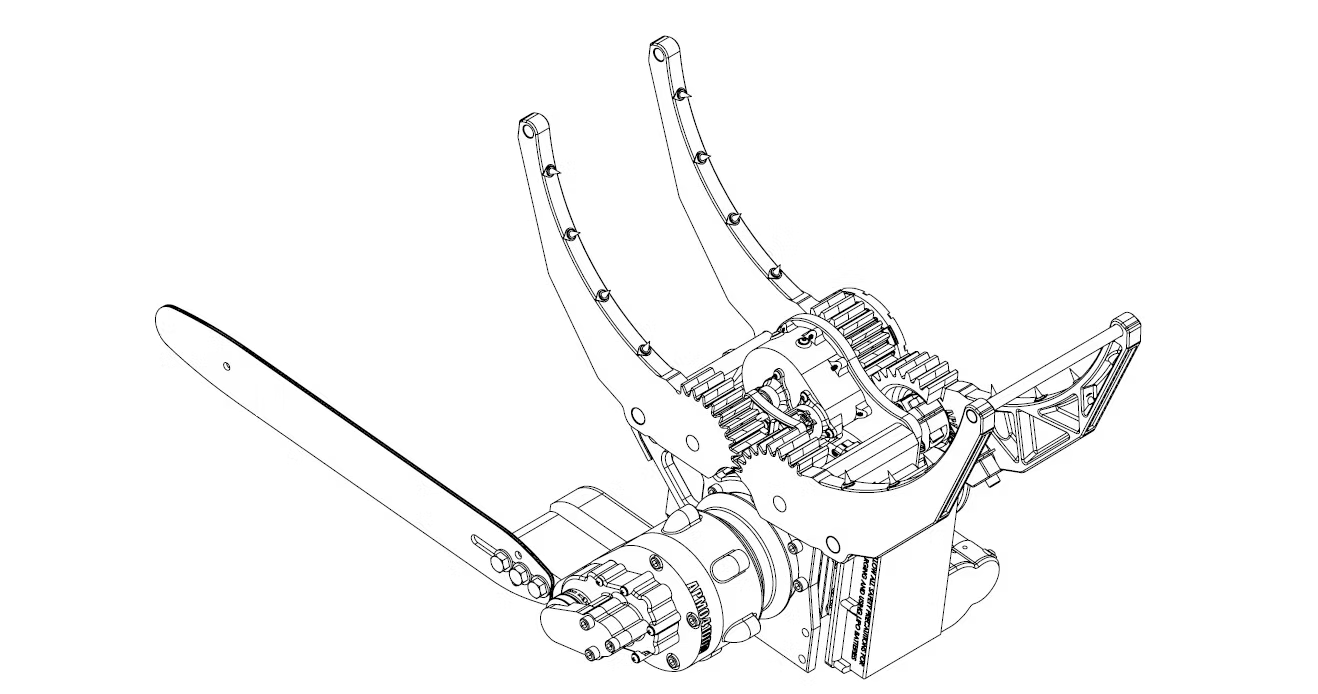
The work informed onboarding, ergonomic, and supporting-experience recommendations for the startup. It contributed evidence about trust, adoption barriers, and how the product should communicate with its users.
How to read the outcome
The contribution described here is research and product guidance. The case study does not claim a validated reduction in incidents or a measured production rollout impact.
Reflection
This project reinforced the value of studying a technology where people will use it. Understanding the context made the research questions more useful and the recommendations more grounded.Let’s talk through the work